French: Platine
Spanish: Platino
German: Platin
It was derived from the Spanish word "platina" meaning silver.
2.
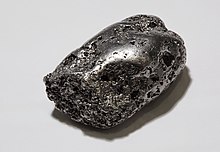
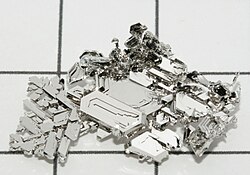
3. It has 78 protons and the amount of neutrons vary depending on the isotope. The naturally occurring isotopes are
Isotope: Natural abundance (atom percentage)
Platinum-190 0.014 (1)
Platinum-192 0.782 (7)
Platinum-194 32.967 (99)
Platinum-195 33.832 (10)
Platinum-196 25.242 (41)
Platinum-198 7.163 (55)
The average atomic weight is 195.084
4. It has 6 shells of electrons, and there are 78 electrons in about 117 neutrons.
5. Platinum's atomic radius is 2.775 x 10⁻¹⁰ meters.
6. Platinum's properties in pure elemental form can be used as a precious metal, an item used to make jewelry. In other cases it can be used as electrodes in the laboratory. It can also be a alloying agent for various metal products, including fine wires, noncorrosive laboratory containers, medical instruments, dental prostheses, electrical contacts, and thermocouples.
7. There is no abundance in your body since it is highly toxic. Its abundance in the earth's crust is 37 parts per billion by weight. In our universe, its 5 parts per billion.
8. Platinum oxide Platinum Tetrachloride


9. Platinum was "rediscovered" in 1735 by Ulloa in South America. Before that it was used by pre-Columbian Indians.
10. In human society, its jobs can be making jewelry, used in dentistry, and as wires and vessels in laboratory use.
11. A interesting fact about Platinum is that its more expensive than gold, which limits its use.
12. http://webelements.com/platinum/uses.html
http://www.chemicalelements.com/elements/pt.html
http://en.wikipedia.org/wiki/Platinum
